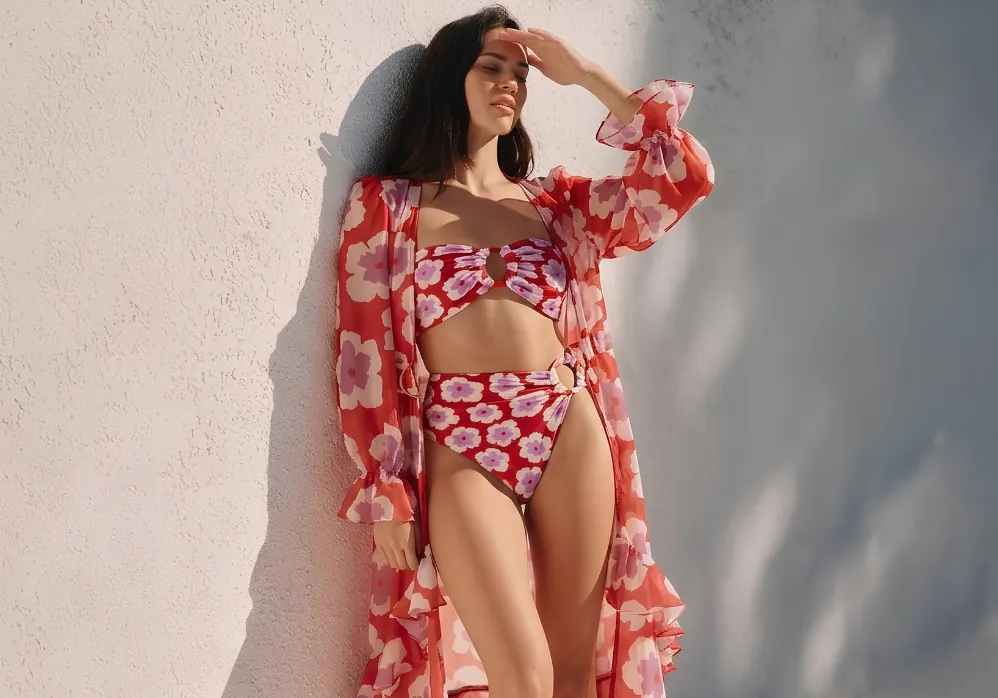
Swimwear for Every Body Type – Find Your Perfect Match
Hourglass, fuller hips, an athletic line or broad shoulders? See which swimsuit flatters your body type.
Read more →
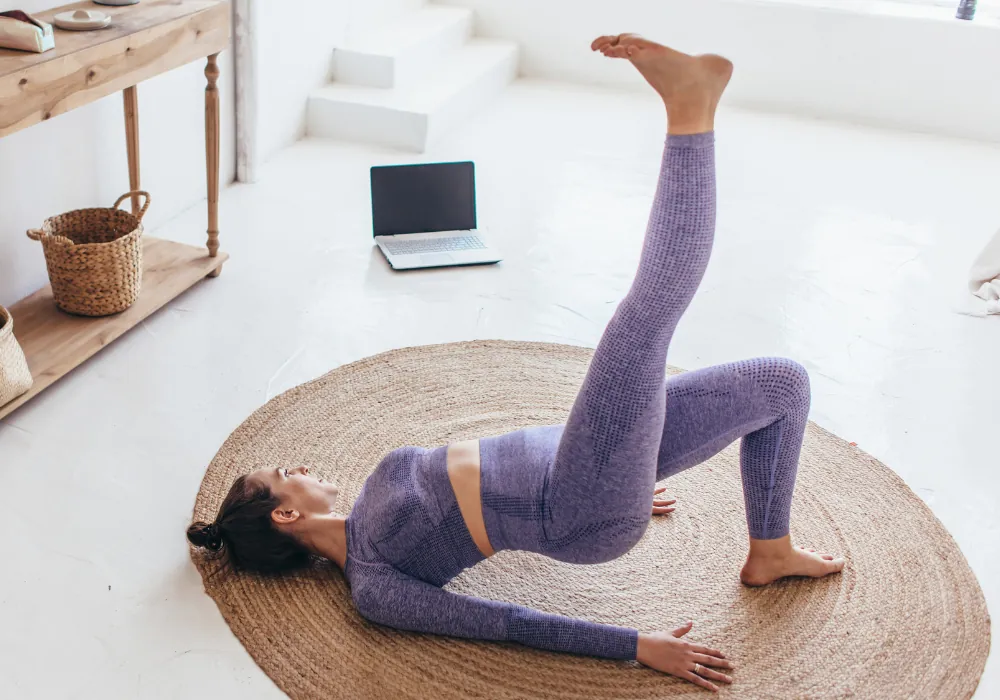
Exercise is an essential part of our everyday lives. With fashion trends constantly changing, activewear has not stayed untouched either. Join us on a journey through the decades and be surprised by how sportswear fashion has evolved.
The evolution of activewear over time is a fascinating journey, shaped by constant changes in fitness and fashion trends and by the changing roles of men and women. From restrictive corsets and heavy skirts, to the liberation of more practical and comfortable clothes, to today's elegant, functional activewear that empowers women to pursue their goals with confidence and determination, the story of activewear is one of constant innovation, adaptation and creativity.
The 1920s were a transformative decade, often called the Roaring Twenties or the Jazz Age. In many ways this period marked a break with the past, with major cultural and social changes taking place. Women embraced new forms of freedom, challenging traditional gender roles and social norms.
One way women expressed their independence was through fashion. The restrictive clothes of the past, such as corsets and long skirts, were replaced by looser, more comfortable clothing. The iconic flapper dress, with its straight line and knee-length hem, became the symbol of the era. It was made of light materials such as chiffon and silk, which allowed more movement and freedom.
Alongside sequined dresses, women started wearing shorter skirts and sleeveless tops for sports such as dancing, swimming and tennis. This was a clear move away from the modest clothes of the past, designed to hide women's bodies. Instead, women now celebrated their bodies and enjoyed being able to move freely.
All in all, the fashion of the 1920s marked a major shift in the role and expectations of women. Women were no longer content to play a passive role; they preferred to take control of their own lives. Through the way they dressed they could express their freedom and independence, paving the way for the feminist movements of the decades that followed.
In the 1930s the trend towards more comfortable, functional clothes continued, with new styles and lines added. One notable addition to women's wardrobes in this period was the jumpsuit, suitable for a range of sporting activities, from daily exercise to outdoor pursuits.
Jumpsuits were usually made of light fabrics such as cotton or linen, which made movement easy. They closed with a zip, so they were easy to put on, and often had a belt at the waist to flatter the silhouette.
The jumpsuit quickly became popular with women looking for practical yet elegant clothing. It was seen as a versatile piece that could be worn on many different occasions. For a casual look it was worn with sandals or trainers; for more formal events, jewellery and heels were added.
Although jumpsuits were first designed for men, they soon became popular among women who valued practicality and comfort without compromising on style. By wearing a jumpsuit, women challenged the traditional idea of femininity and expressed their wish for clothes that were both functional and fashionable.
The jumpsuit was an important addition to the fashion of the 1930s, and its popularity kept growing in the decades that followed.
The 1940s brought war and, with it, new demands on women and a lot of hard physical work. As a result, many women needed to exercise to stay fit and keep up. Also worth mentioning is the growing interest in exercise and fitness among the general population.
Women's activewear was functional, while reflecting the broader changes in fashion and culture. Women's newly gained independence and the new demands placed on them showed in the style of the time, which was more practical and utilitarian than the designs of the past.
Clothing choices included shorts, trousers and sleeveless tops, made of light fabrics such as cotton or rayon. These materials breathe and allow freedom of movement, which made them ideal for activities such as jogging, aerobics and dancing.
In the 1950s activewear became a popular trend. The growing interest in fitness and leisure activities was obvious, and women started looking for clothes that were functional and fashionable, with the focus on comfort and ease of movement.
Fitted tops and shorts in stretch fabric appeared in the 1950s. They were designed to hug the body and give support and flexibility during exercise. They were often made of materials such as spandex, which allowed a greater range of movement and helped prevent chafing and pressure.
The iconic sweatshirt and tracksuit are another hallmark of the period. Originally designed as sportswear for men, they soon became popular among women who appreciated their practicality and comfort. They were made of soft, comfortable materials such as cotton or fleece, with an elastic waistband and cuffs for a comfortable fit.
Besides being functional, the activewear of the time was inspired by the broader changes in fashion and culture. The post-war period was a time of great optimism and prosperity, with an emphasis on leisure and relaxation. This showed in the growing popularity of sports such as tennis, golf and swimming, and in the clothing styles that came with them.
The 1960s were a decade of major social change, marked by a growing sense of liberation and experimentation. Women's fashion reflected these changes, with the emphasis on bold colours, prints and patterns. The same was true of activewear, which became more vibrant and expressive in this period.
A hallmark of the 1960s was the leotard. This one-piece bodysuit was designed to fit the female silhouette perfectly, as it was fully stretchy and allowed easy movement during exercise. Leotards were made of stretch materials such as nylon or Lycra and came in a range of colours and prints. They were usually worn with tights or leggings, which gave extra support and coverage.
Tights and leggings also became a popular trend in the 1960s. They were made of a variety of materials, such as cotton, nylon and polyester, and often had bold prints and patterns such as stripes, polka dots and geometric shapes.
Besides being more colourful and eye-catching, women's activewear of the period reflected women's growing interest in fitness, physical wellbeing and self-expression. It was a decade marked by the rise of aerobics and other forms of exercise.
The 1970s were marked by a strong interest in fitness and exercise, and this was reflected in the activewear of the time. As aerobics and other forms of group exercise became more popular, women looked for clothes that were both fashionable and functional, with the focus on comfort and ease of movement.
The leotard was still around, while headbands became the must-have workout accessory. They were often made of stretchy materials such as terry cloth and were designed to keep sweat and hair away from the face. Headbands came in a range of colours and patterns and were worn as a fashion statement as well as for practical reasons.
The most iconic sports accessory of the time, however, was the leg warmer, designed to be worn over leggings or tights to give warmth and comfort during exercise. Leg warmers came in a range of colours and styles and quickly became a popular fashion accessory both inside and outside the gym.
The 1980s were a decade of excess and exaggeration, and this was strongly reflected in women's activewear. As fitness and exercise kept gaining popularity, activewear became ever tighter and shinier, with the emphasis on bright colours and striking designs.
Leotards remained a big trend, while tights and high-waisted shorts also became popular during the workout craze. These clothes were designed to be fitted and stretchy, allowing easy movement during exercise. High-waisted shorts in particular were often worn with leg warmers or over tights, creating a layered look that was both functional and fashionable.
The most controversial piece of 1980s workout fashion, however, was the thong leotard. It had a high-cut design at the sides and a thong back, and was designed to be both revealing and flattering. Although it was controversial at the time, the thong leotard quickly became a fashion statement, worn by celebrities and fitness lovers alike.
The 1990s marked a significant change in fashion trends, with the rise of casual wear. Women's activewear of the time became looser and more comfortable, with the emphasis on practicality and ease of movement.
Oversized T-shirts were a staple of 1990s sportswear, worn with leggings or tracksuit bottoms for a comfortable, casual look. They were often made of soft, breathable material and featured graphic designs or slogans. Tracksuits became more and more popular, with loose, comfortable cuts and a drawstring waist.
Another iconic piece of 1990s activewear was the sports bra. It was designed to give support and comfort during exercise and was often worn on its own or under a loose T-shirt. Sports bras came in a range of styles and colours and were made of stretchy, breathable materials that allowed easy movement.
Leggings also remained a popular choice, with the emphasis on stretchy designs that fit every body type perfectly, combined with loose T-shirts or crop tops.
The activewear of the 1990s moved away from the flashy styles of the 1980s, putting comfort and practicality first.
The arrival of technology and innovation in garment design in the 2000s brought major changes to activewear. The focus shifted to fabrics that could improve both performance and comfort during exercise.
One of the key technological developments of this period was the invention of moisture-wicking fabric. This specialised fabric was designed to draw sweat away, keeping the wearer dry and comfortable during intense workouts. These fabrics were often used in tops and leggings and were especially popular for sports such as running and cycling.
Another key development of the 2000s was the rise of compression wear. These clothes were designed to support the muscles during exercise, increasing blood flow and reducing the risk of injury. Compression wear also helped improve recovery time after exercise by reducing muscle soreness and stiffness. These garments were often made of stretchy, breathable materials and worn as tops, leggings or shorts.
Seamless leggings were another popular trend in this period. They were designed to be comfortable and functional, with a construction that minimised chafing and irritation during exercise. They were often made of stretchy, moisture-wicking fabrics and worn for all kinds of sports, from yoga to weightlifting.
The big trend of the time was the yoga pant. This versatile garment was designed to be comfortable and elegant at the same time, with a stretchy construction that hugs the body in all the right places. Yoga pants were often made of moisture-wicking fabric and came in a range of colours and styles, from plain black leggings to bold patterns and colours.
In the 2010s the rise of athleisure blurred the line between sportswear and everyday fashion. Women's activewear was designed to be functional and fashionable, so women could wear it not only at the gym but for other activities too.
One of the key fashion trends of the period was the popularity of leggings. Leggings became a staple in many women's wardrobes, with a range of styles and colours to suit every taste. They were often made of moisture-wicking fabric and had stretchy, comfortable waistbands for maximum comfort during exercise.
Sports bras also remained a workout essential throughout the 2010s.
Crop tops appeared in the 2010s and became a popular trend. These tops were designed to be functional and stylish, with a range of styles and colours to suit every taste. Crop tops were often made of moisture-wicking fabric and had a comfortable, stretchy construction.
Leggings with mesh details were one of the most iconic legging styles of the 2010s. They had mesh panels in strategic areas, such as the calves or thighs, to let the body breathe better, helping to regulate body temperature and improve airflow during exercise. They were worn for a variety of activities, from yoga to running, and came in a range of styles and colours.
The activewear of this period focused on fashion and style as much as on functionality and performance.
Today, activewear is designed to be functional and fashionable, with the emphasis on performance and style. It comes in a wide range of colours, styles and materials, from sweat-wicking fabrics to compression wear. Activewear has not only shaped the world of fitness, it has also become an important part of modern fashion. With practical yet elegant designs, it lets women look and feel beautiful while they work out.
The sportswear of the future will keep being both fashionable and functional. As technology advances, improved fabric properties such as sweat-wicking, UV protection and antibacterial finishes are becoming more and more common. This trend will continue, with even more innovative materials and designs being developed.
In terms of style, there is likely to be a shift towards more sustainable and environmentally friendly materials, as the demand for ethical fashion keeps growing. In addition, inclusion and diversity have become two very important values in the fashion industry, and we may see a wider range of sizes, styles and colours in sportswear.
The line between sportswear and everyday clothing is becoming more and more blurred, and we may see more crossover pieces that can be worn both at the gym and on a Sunday stroll. The future of sportswear looks exciting, with the focus on style as well as functionality, sustainability and inclusion.
Read also
See all articles →Hourglass, fuller hips, an athletic line or broad shoulders? See which swimsuit flatters your body type.
Read more →Swimwear ideas by destination and occasion: bikinis, swimsuits and beachwear for every mood.
Read more →